The Owners / Broker Humans of the True North · Montreal
Meryem on The Long Way to Her Own Front Door
She bought a house the same week her company let her go. Now she hands other people their keys.
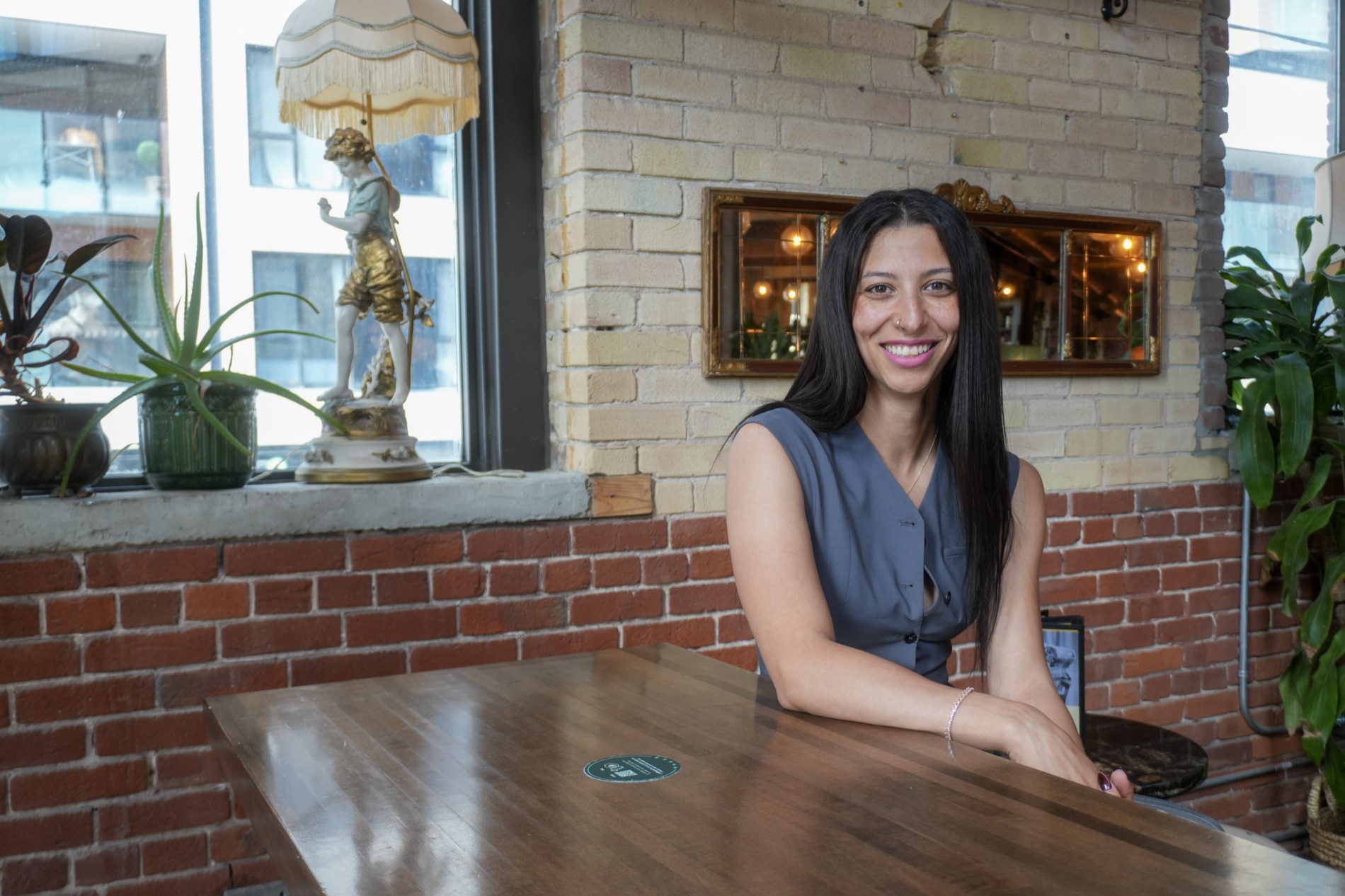
Meryem had just bought a house when her company let her go. Not months apart. The same week.
She tells the story without flinching, partly because by the time the call came she was already halfway out the door herself, reading her way toward a different life on a two-hour commute. What follows is mostly her, in her own words. The questions are left in so you can hear where she takes them.
You spent a long time in corporate. What made you switch to real estate?
I worked over a decade in corporate, and I was very ambitious. It's never easy being an ambitious person in corporate, especially as a woman. Most of the time I had to change companies to get a better salary or the next level, because the boss right above me would say, "It's not for you yet." And I'd see the men getting a bit of a different treatment. But I also achieved a lot. At some point I was the one earning the most on my team, even as a woman.
Two years ago a big company recruited me. Big salary, innovation, everything that looked like the perfect place to work. My title was category manager, a mix of an account manager and a project manager. I went in and I saw all the signs. It was not a healthy environment. A lot of micromanagement. I was called to be removed from meetings, told not to speak with the owner of the company. I still tried to make it work, because it takes a lot to break my spirit. I think in the end it was them who couldn't keep up with me, so they let me go for no reason.
And that's when real estate started?
Before they let me go, I'd started reading a book on my commute, two hours each way in traffic. It's Rich Dad Poor Dad. It's one of the books people say you need to read. It talks about financial freedom and how to get there, and how not to be stuck in the rat race. That was my goal. I loved my life, I loved my dog, but I always felt like I wanted freedom. I listened to it one night and thought, oh my God, why didn't I know this before? I was depressed, but also happy.
That same week, they let me go. But before they did, I'd already registered for the course to become a realtor. Almost a one-year course. And here's the thing: I was really just planning to use it to buy for myself. Not to become a realtor. It was God's plan. It became a career change.
It was God's plan. It became a career change.
So you're on your own now. How does that part work?
As a real estate broker you have to be affiliated with an agency, but that doesn't mean they do anything for you. You're really on your own. Your own marketing, your own prospecting, your own transactions. It's almost a sales job, and you do it all yourself.
What's the hardest part of the job?
The human relationships, honestly. My first transaction woke me up. I came in innocent, thinking that as an entrepreneur, as a broker, you make sure everything goes right, because now it's you, there's nobody behind you. There's no check coming if things fall apart. But I was shocked that people actually let their emotions get in the way. It made me realize that whether it's a business or a job, people are still going to be the same. That's the reality.
It's so up and down. A transaction can make you so happy, and then the next day you're so depressed. A client comes begging for help, and two weeks later they disappear. It's been four months and I've been through all the emotions. But I'm glad, because I'm learning to master my emotions on my own terms. For the year I wasn't working, just going to school, I listened to a lot of audiobooks about personal development. The one thing that could make me stronger in something this volatile is working on my own emotions.
I'm learning to master my emotions on my own terms.
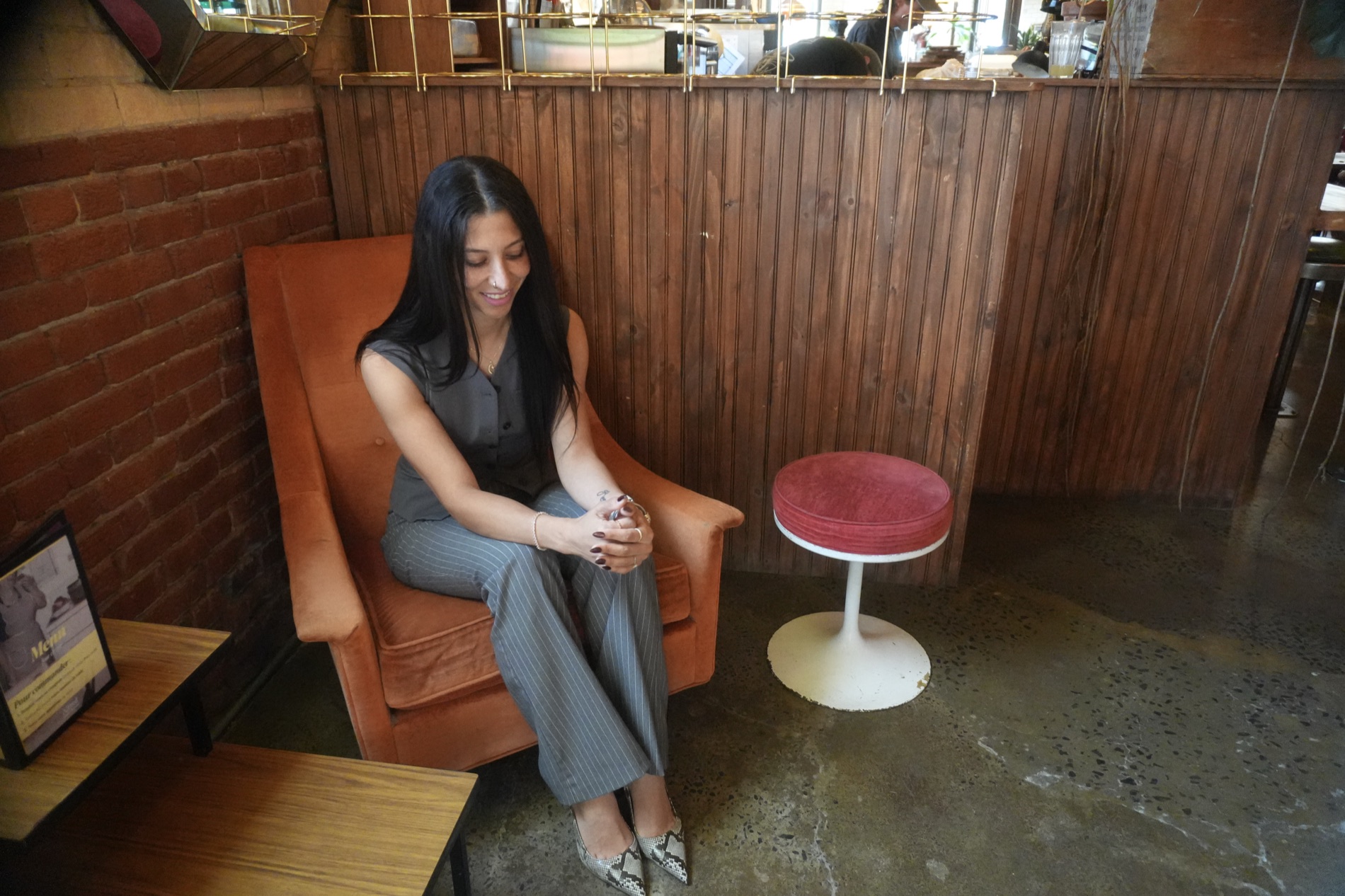
People picture the glamorous version of this job. What do they never see?
The going through all those emotions with a client. They get frustrated, impatient, overwhelmed with the process. All the paperwork. Me going to two or three trainings a week, me putting up a real estate event, preparing the presentation, reaching out to the right people so the room actually fills. They don't see all the energy behind it.
People make it look so easy and put together, and all the trouble just gets brushed to the back. Everyone says, oh, you have it so easy, you're so amazing. And in the middle of that, it's a daily grind.
What does it mean to you to hand someone the keys?
You unlock their next chapter. That's how I see it. Once you have that home, you can accomplish so many other things. It's like a puzzle, and the house is a big piece. Now you can have kids, you can travel and come back to the same home, you start building equity, and in a few years you buy your next place or start a business.
I love that you kind of become friends with the people. You get to know their fears, their frustrations. You can tell when they're sad because an offer fell apart. A lot of them already come from somewhere they know me, my social media or in person, so it feels less like a job. If they get attached to a house that's not right, I tell them, I know you like it, but we'll find you a better one.
You unlock their next chapter.
The market is tricky right now. Has that made for hard conversations?
The condo market isn't doing well. There are so many vacant condos. People come to me and say they want to buy one because it's cheap. The hard conversation is teaching them that even a home you live in should be your first investment, something you can leverage later. Imagine you buy a condo today at $400,000 and in five years it's only worth $420,000. That's not a good deal.
Some of these conversations get hard when the person doesn't get it right away. Then, of course, it's their choice. Like my mom tells me: "I can't want more good for you than you want for yourself." I give you the data. At the end of the day, you decide.
I can't want more good for you than you want for yourself.
Her mother
Real estate is one of several things Meryem does. There is also a motorcycle, and about twenty thousand people who follow it.
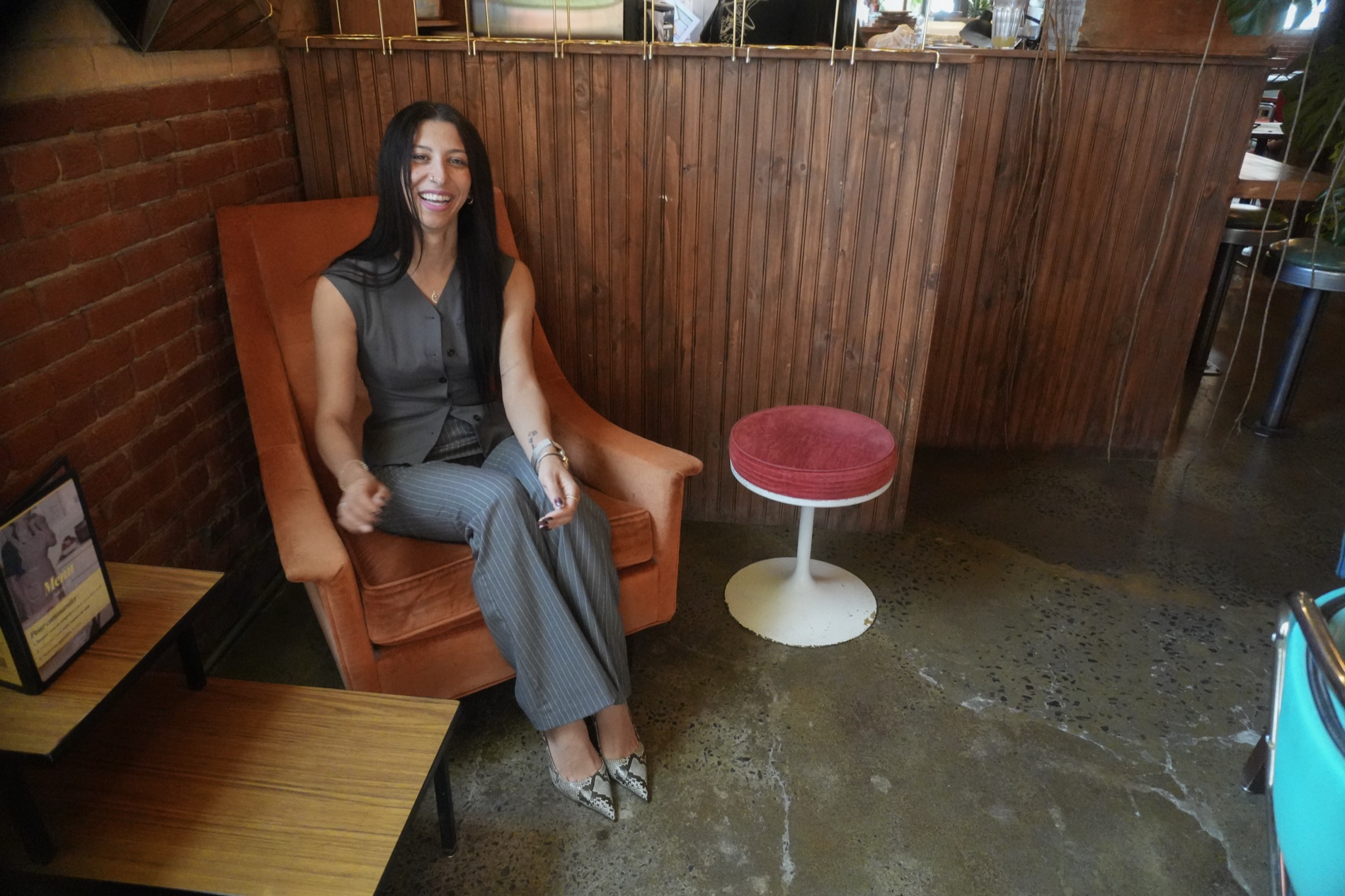
Tell me about the bike.
It's been six years. In my early 20s I dated a guy who had a motorcycle, and I was the back seat. I loved the experience, but I never loved that I couldn't control it myself. So I said, one day I'll have my own bike, and then I completely forgot about it. Later I got my license.
I don't even know why I started posting. I just put my little adventures out there on Instagram and kept at it, every day. From one follower to 500, then a thousand, then almost 20,000. It's not much compared to people going viral, but what I love is that I'm just being myself. I'm not trying to sell people something that isn't real. A lot of biker pages are sad-boy stories, crying, she broke my heart, he broke my heart. I'm telling them, work on yourself, go find a nice partner. You can have the identity you want. You don't have to be a cookie cutter.
You can have the identity you want. You don't have to be a cookie cutter.
You also run a women's community. How did that start?
I went to public speaking classes, Toastmasters, and met an amazing group of people. One day five of us women went for a brunch and stayed five hours. We never stopped talking about relationships and worries, women over 30, kids or no kids, partner or no partner. I thought, why don't we do this for more women in Montreal?
It stayed with me. At some point I just told them I'm starting it. I booked a room, picked a date, and said I'm going in.
Was it scary? Did anyone show up?
Yes. I thought maybe nobody would come. That's when I learned something important: the only thing that shuts your fear down is actually getting it done. So I went to other networking events and told women about it, one by one. The turnout was more than I expected, and I was overwhelmed because I had no idea what I was doing. I catered it myself, got way too much food, and I was late. Things weren't done, and people started helping me set up. And I thought, this is the whole sense of the community. We've done it once a month for a year now. We celebrate one year officially in July.
The only thing that shuts your fear down is actually getting it done.
You've done photography too?
I was a wedding photographer for one season, 2019, right before COVID. I had a nice camera and always wanted to start, so I put an ad on Kijiji. My first shoot was $100 for four hours. It always starts like that. Then COVID happened, and there were no more weddings. But I always keep a photographer at our events. I love that part.
Being an ambitious woman is hard. Is real estate a male-dominated world?
There are a lot of women in it, but yes, I can tell it leans more male. I'm used to it, though. I worked in automotive, the supply industry, which is really a men's world. So I probably feel it less. I don't think women should be anything but whatever they want. The only thing I wouldn't do is construction, because I know I can't handle it. I won't go toward something I can't handle.
What would you tell someone who wants to get into real estate?
I thought it would be much easier than it is, because I knew my community had my back. All of that is true, and it's still hard. So start telling people before you become a realtor. Don't wait until you have your permit and then post the picture. I told people a year before. I had a note with about 20 people who told me they wanted to buy or sell, and as soon as I had my license, I reached out to all of them. Some postponed, some cancelled, but a lot of them said, when it happens, you're my person.
Did you find the freedom you wanted?
Yes. This is the life I wanted. When I was in corporate I'd get one day off in the week, and I'd take my laptop to a cafe and think, I just want this life. I want to be able to move anywhere and have my own time. I work seven days a week now. I don't really have weekends left for me. But I'm grateful.
She keeps a vision board every year. Last year's said, "You are exactly what you want to be." She figures she hits about 80 percent of it.
She thinks of the keys as the real product, not the house, the handoff. "You unlock their next chapter," she says. She is somewhere in the middle of her own.
More from this series
View the directory
Marie-Claude Gagnon on Keeping the Corner
Her family has run the same corner store for forty years. The block changed around it. She stayed.
Coming this season
Jo and Mathieu on Renting the Room That Made Them
Two owners, one lease, and a landlord who believed in them before the bank did.
Coming this season
The Nguyens on Buying Their First Building
An empty room, a signed lease, and the whole family imagining the counter that is not there yet.
Coming this season